USA
USA
 Pakistan
 Singapore
CCTV Surveillance in the UK: From Basic Cameras to Remote Monitoring
The United Kingdom stands among the most surveilled nations on earth. With an estimated 7 million cameras across the country, British streets, businesses, and homes have become increasingly watched over the past three decades. What began as a public safety measure in town centres has transformed into a sophisticated industry serving everyone from multinational retailers to homeowners worried about package theft.
But the nature of surveillance itself has changed dramatically. Where cameras once simply recorded footage for review after an incident, today’s CCTV surveillance services offer real-time intervention, turning passive observation into active crime prevention. This shift represents the most significant change in how British businesses and residents approach security.
What’s Driving Increased Adoption Across UK Businesses
Crime remains a persistent concern for British businesses. According to the Office for National Statistics, commercial properties face thousands of burglary and theft incidents annually. For many business owners, these aren’t abstract statistics but real experiences that cost money, disrupt operations, and create anxiety among staff.
The financial argument for video surveillance has become increasingly compelling. A single security guard costs between £15,000 and £30,000 annually in salary alone, with additional expenses for training, insurance, and cover during illness or holidays. Multiply that across night shifts and weekends, and on-site security becomes prohibitively expensive for most small and medium businesses. Remote CCTV monitoring services offer coverage at a fraction of that cost.
Insurance providers have noticed too. Many now offer reduced premiums for businesses with professionally monitored surveillance systems, recognising that active monitoring significantly reduces both the likelihood and severity of claims. For warehouse operators, retailers, and construction firms, these savings can offset much of the monitoring investment.
The pandemic accelerated another trend: businesses operating with fewer on-site staff. Remote and hybrid working patterns mean commercial premises often sit empty for longer periods. Property managers overseeing multiple sites need centralised visibility. Video surveillance fills these gaps, providing oversight without requiring physical presence.
The Shift from Passive Recording to Active Monitoring
Traditional CCTV operates on a simple principle: record everything, review it later if something goes wrong. This approach has obvious limitations. By the time anyone watches the footage, the burglar has fled, the vandal has disappeared, and the damage is done. Footage helps police investigations but does nothing to prevent the incident itself.
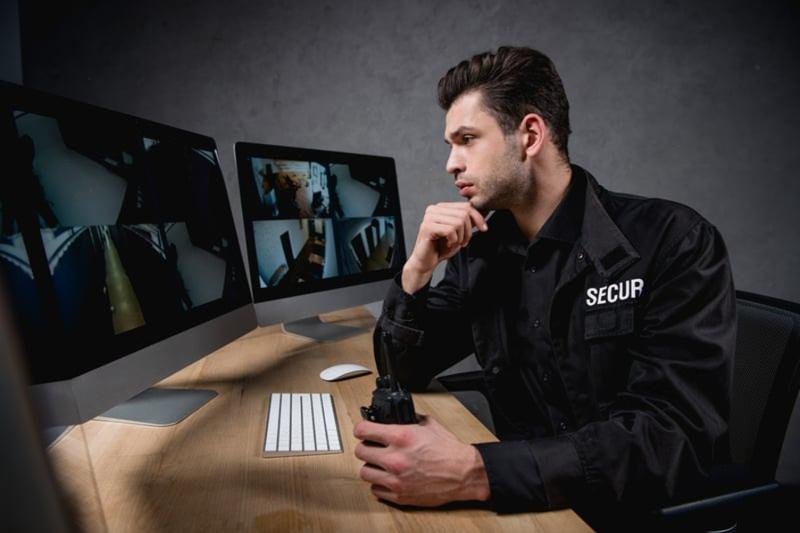
Remote CCTV surveillance changes this dynamic entirely. Instead of footage sitting on a hard drive, live feeds connect to monitoring centres staffed by trained operators. These professionals watch for suspicious activity, unusual movement patterns, and security breaches as they happen.
When operators detect a potential threat, they can respond immediately. Two-way audio systems allow them to issue verbal warnings directly through speakers on site. A clear, authoritative voice telling an intruder they’ve been seen and police are being contacted proves remarkably effective at stopping incidents before they escalate. If the situation warrants it, operators coordinate directly with police, providing real-time information about intruder descriptions, movements, and vehicle details.
This proactive approach transforms surveillance from documentation into deterrence. The camera isn’t just watching; someone is actively responding.
Industries Investing in Professional Video Surveillance
Different sectors face different security challenges, and CCTV surveillance services have adapted accordingly.
Retail environments deal with shoplifting, staff safety concerns during evening hours, and the need to monitor stock rooms and delivery areas. Cameras positioned throughout stores serve both as deterrents and tools for identifying repeat offenders. For retailers with multiple branches, centralised monitoring provides consistency without multiplying costs.
Warehouses and logistics facilities present unique challenges. Large spaces, high-value inventory, and extensive perimeters make comprehensive coverage difficult. Loading bays see constant activity, making it hard to distinguish legitimate operations from potential theft. Remote monitoring operators can learn normal patterns and flag anomalies, whether that’s an unauthorised vehicle or unusual activity at an unexpected hour.
Construction sites remain among the most vulnerable targets for theft. Equipment worth tens of thousands of pounds sits on unfenced land, often in areas with limited natural surveillance. Traditional security measures struggle with sites that change configuration weekly as projects progress. Mobile camera systems with remote monitoring adapt to these shifting layouts, providing protection that static solutions cannot match.
Healthcare settings require careful balance. Hospitals and clinics need security but must respect patient privacy and dignity. Video surveillance typically focuses on car parks, entrances, corridors, and external areas rather than clinical spaces. The goal is protecting both patients and staff without intruding on sensitive environments.
Residential applications have grown substantially. Homeowners concerned about burglary, landlords wanting to protect rental properties, and housing associations managing communal areas all find value in monitored systems. The peace of mind that comes from knowing someone is watching, even when you’re away, appeals to growing numbers of British households.
Remote CCTV Surveillance Services: A Closer Look
Understanding what remote monitoring actually involves helps businesses evaluate whether it suits their needs.
The process begins with cameras installed across a site, positioned to cover entry points, high-value areas, and potential vulnerability spots. These cameras connect via internet to a monitoring centre, where operators view live feeds on banks of screens. Modern systems use motion detection and analytics to alert operators to activity, ensuring human attention focuses where it’s needed rather than on hours of empty car parks.
When suspicious activity triggers an alert, the operator assesses the situation. Not every motion detection event represents a threat; foxes, weather, and legitimate late-night deliveries all trigger sensors. Experienced operators distinguish between genuine concerns and false alarms, reducing unnecessary police callouts while ensuring real threats receive immediate attention.
If intervention is warranted, responses escalate appropriately. An audio warning might suffice to deter an opportunistic intruder. Persistent threats trigger calls to keyholders and police. Throughout, operators document events, capturing evidence and creating detailed incident reports.
For businesses with existing camera infrastructure, remote monitoring doesn’t necessarily require starting from scratch. Many providers can integrate with current systems, adding monitoring capabilities to cameras already in place. This makes the transition more affordable and less disruptive than a complete security overhaul.
UK Regulations and Compliance for CCTV Operators
Operating CCTV surveillance in the UK comes with legal responsibilities that businesses must take seriously.
The General Data Protection Regulation and Data Protection Act 2018 govern how organisations collect, store, and use surveillance footage. Cameras capture personal data in the form of identifiable images, which means GDPR principles apply. Businesses must have lawful grounds for surveillance, typically legitimate interests in protecting property and ensuring safety.
The Information Commissioner’s Office provides detailed guidance on CCTV compliance for businesses. Requirements include clear signage informing people they’re being recorded, defined retention periods for footage, secure storage preventing unauthorised access, and procedures for handling subject access requests when individuals ask to see footage of themselves.
The Surveillance Camera Code of Practice adds another layer of guidance. While primarily aimed at public authorities, the principles apply broadly: surveillance should be proportionate, necessary, and operated with appropriate governance.
Working with professional CCTV surveillance services providers helps navigate these requirements. Reputable companies build compliance into their operations, ensuring footage handling meets regulatory standards and documentation exists to demonstrate accountability.
Comparing Costs: DIY Systems vs. Professional Monitoring
The availability of affordable cameras has made DIY surveillance tempting. Consumer-grade systems from major retailers promise easy installation and smartphone viewing at modest prices. For some applications, these solutions work adequately.
However, DIY systems have significant limitations that become apparent when security actually matters. Self-monitoring means receiving alerts on your phone at all hours, including 3am notifications about neighbourhood cats. Most people quickly disable alerts or start ignoring them, defeating the system’s purpose. Without professional assessment, camera positioning often leaves blind spots that determined intruders exploit.
The hidden cost of DIY surveillance is time. Reviewing footage after an incident takes hours. Maintaining systems requires technical knowledge. Responding to alerts means constant interruption to daily life or business operations. These demands fall on business owners already stretched thin.
Professional remote CCTV surveillance services represent a monthly investment rather than a one-time purchase, but the value proposition differs entirely. Trained operators handle monitoring, response, and liaison with authorities. Businesses receive incident reports without spending hours reviewing footage. Coverage continues regardless of whether the business owner is awake, on holiday, or simply busy.
For homeowners, the calculus depends on circumstances and budgets. Those seeking basic awareness may find consumer systems sufficient. Those wanting genuine security, particularly for properties left vacant for extended periods, benefit from professional monitoring.
Choosing the Right CCTV Surveillance Provider
Selecting a provider deserves careful consideration. The market includes everything from multinational security firms to small local operators, with significant variation in capability, reliability, and service quality.
UK-based monitoring centres matter for several reasons. Response times improve when operators understand British geography, can communicate clearly with local police forces, and work within the same time zone. Data protection becomes simpler when footage stays within UK jurisdiction.
Ask potential providers about their operator training. Effective monitoring requires more than watching screens. Operators must assess situations quickly, communicate effectively, follow appropriate escalation procedures, and maintain concentration through long shifts. Understanding how a provider recruits, trains, and supervises staff reveals much about service quality.
Technology matters but shouldn’t dominate the conversation. The most sophisticated analytics mean nothing if the humans behind them lack competence or commitment. Focus on outcomes: response times, false alarm rates, client retention, and references from businesses in similar industries.
Contract terms deserve scrutiny. Some providers lock clients into lengthy agreements with equipment that cannot transfer to other services. Flexibility to adjust coverage as needs change, clear exit terms, and transparent pricing without hidden fees indicate providers confident in their service quality.
Established UK surveillance providers offer track records that newer entrants cannot match. Experience across different industries, established police relationships, and refined operating procedures develop over years, not months.
What the Future Holds for UK Surveillance
CCTV surveillance will continue expanding across British businesses and homes. The fundamental drivers, including crime concerns, insurance considerations, and the cost advantages over physical security, show no signs of diminishing.
Integration represents the clearest trend. Video surveillance increasingly connects with access control systems, intruder alarms, and fire detection. Unified security platforms allow monitoring centres to correlate information across multiple sources, improving threat assessment and response coordination.
The accessibility of professional surveillance continues improving. Services once available only to large corporations now serve small businesses and residential customers. Remote monitoring has democratised security, making expert oversight available at price points that would have seemed impossible a decade ago.
For businesses and homeowners considering their security options, the question is no longer whether surveillance makes sense but what level of capability their situation requires. Passive recording serves some purposes, but those wanting genuine protection increasingly recognise that cameras without monitoring provide limited value. The footage might help identify a perpetrator after the fact, but prevention requires someone watching, assessing, and responding.
That shift from reactive to proactive security defines the modern era of CCTV surveillance in the UK. Technology enables it, but trained professionals deliver it.